
Eye Certification Requirements by Breed: What Your Breed Club Expects
One of the most common questions I get from newer breeders is some variation of "Do I really need to eye test my breed?" The answer is almost always yes, but the specifics vary enormously depending on what breed you work with. A Collie breeder and a Bulldog breeder are looking for completely different things during an eye exam, and their breed clubs have different requirements for what testing needs to happen before a litter is registered or endorsed.
I spent my first few years breeding Collies assuming that eye testing was primarily a Collie thing. Collie Eye Anomaly was the big concern, and I figured other breeds did not deal with the same issues. That was naive. Once I started attending multi-breed eye clinics and talking to breeders across dozens of breeds, I realized that eye problems are one of the most widespread hereditary concerns in purebred dogs. Nearly every breed has something their club wants screened for.
Why Breed-Specific Requirements Exist
Different breeds carry different genetic predispositions for eye disease. This is not surprising when you consider that each breed was developed from a relatively small gene pool and certain problems became concentrated through generations of breeding. The conditions that matter in your breed reflect that breed's genetic history.
Breed clubs recognized this decades ago and began establishing health testing protocols tailored to their specific concerns. These protocols evolved over time as new conditions were identified and as DNA testing became available for some eye diseases. What your breed club requires today reflects years of data about which eye problems actually occur in your breed at meaningful rates.
The Canine Health Information Center (CHIC) formalized much of this by working with individual breed clubs to define required health tests for each breed. CHIC numbers require completion of all recommended tests, and for most breeds, an OFA eye certification is on the list. But the additional specifics beyond the standard eye exam vary by breed.
CHIC does not set its own testing requirements. Instead, each AKC parent club determines what tests are needed for their breed, and CHIC administers the program. This means requirements differ by breed. Check your specific breed's CHIC requirements at the OFA website, because what applies to Collies does not necessarily apply to Poodles or German Shepherds.
Herding Breeds: A Heavy Focus on Retinal Conditions
Herding breeds as a group carry some of the most significant eye disease concerns. This makes sense historically because many herding breeds trace back to common foundation stock, and certain genetic problems became widespread before anyone understood hereditary disease.
Collies (Rough and Smooth)
Collies have the most intensive eye testing requirements of any breed I am aware of. The Collie Club of America requires both DNA testing and clinical eye examinations for CHIC compliance. The primary concern is Collie Eye Anomaly, a complex condition that ranges from mild choroidal hypoplasia to severe retinal detachment. DNA testing identifies carriers, affected dogs, and clear dogs. The clinical eye exam catches the physical signs and detects other conditions that DNA testing cannot identify.
Beyond CEA, Collies are also screened for Progressive Retinal Atrophy, cataracts, and persistent pupillary membranes. The breed club strongly recommends annual OFA eye certification for all breeding stock plus litter screening at seven weeks of age.
I test every single litter at seven weeks. No exceptions. I have my ophthalmologist scheduled before the puppies are even born. In thirty years of doing this, I have caught problems early enough to make informed decisions about every puppy's future. The cost of litter screening is trivial compared to the heartbreak of placing a puppy that goes blind at age three.
Shetland Sheepdogs
Shelties share many of the same concerns as Collies. CEA occurs in the breed, though at lower rates than in Collies. The American Shetland Sheepdog Association requires OFA eye certification for CHIC. PRA is also a significant concern in Shelties, with breed-specific forms identified through DNA testing.
Australian Shepherds
Aussies face a unique combination of eye concerns. CEA, cataracts, and iris colobomas are all documented in the breed. The Australian Shepherd Club of America requires OFA eye exams for CHIC and specifically recommends testing for CEA and hereditary cataracts. The merle gene, common in the breed, can also cause ocular defects when homozygous, adding another layer of complexity.
Border Collies
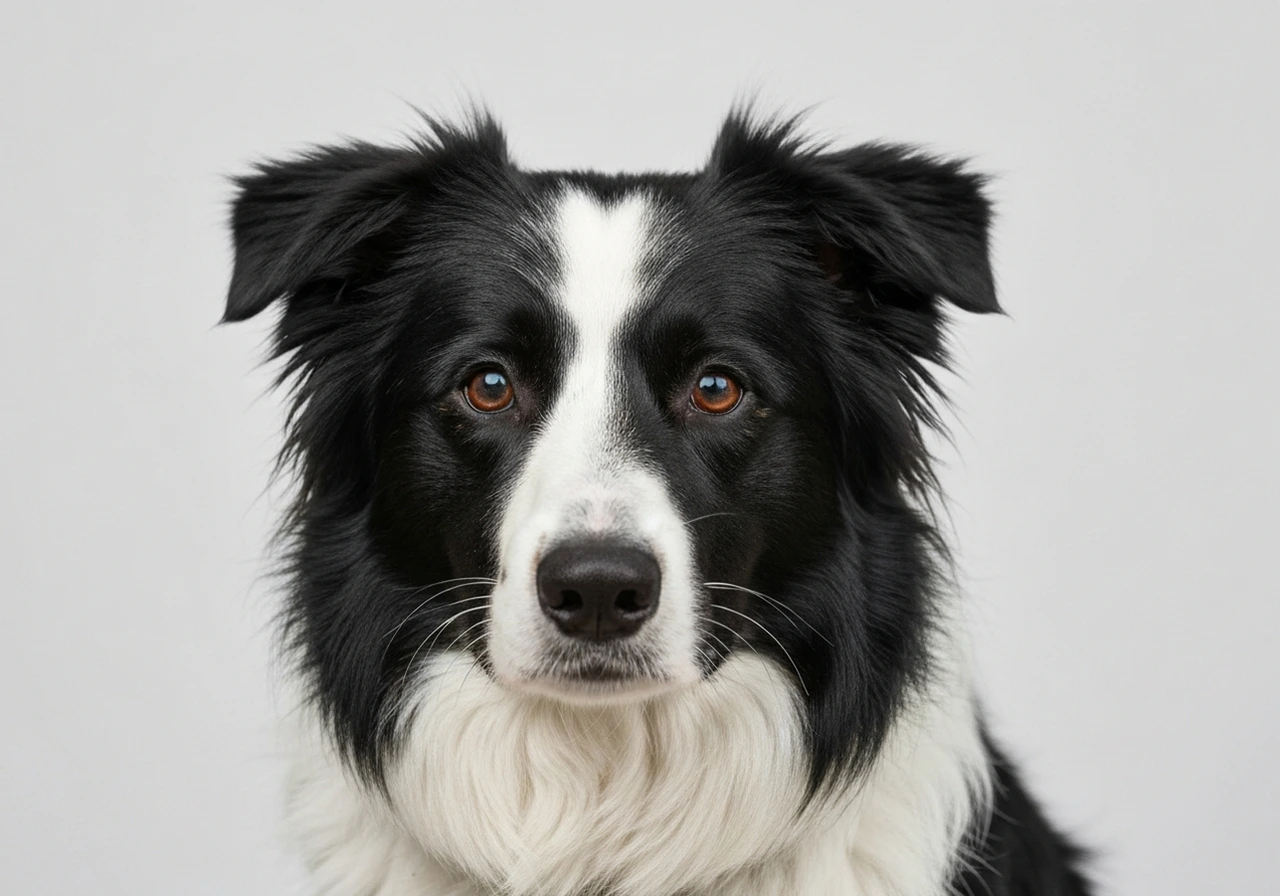
Border Collies deal primarily with CEA and PRA. The Border Collie Society of America requires OFA eye certification for CHIC. DNA testing for CEA and certain PRA variants is strongly recommended alongside clinical exams.
Sporting Breeds: Cataracts and PRA Dominate
Sporting breeds have their own set of eye concerns, with hereditary cataracts and various forms of Progressive Retinal Atrophy being the most common issues across the group.
Labrador Retrievers
Labs are tested for PRA (specifically prcd-PRA), cataracts, and retinal dysplasia. The Labrador Retriever Club requires annual OFA eye certification for CHIC. PRA in Labs can develop later in life, which is why annual testing throughout the breeding career is particularly important in this breed. DNA testing for prcd-PRA has been available for years, but the clinical eye exam catches other forms and conditions.
Cocker Spaniels (American)
American Cockers have significant cataract concerns. The American Spaniel Club requires annual OFA eye exams for CHIC, with particular attention to hereditary cataracts, PRA, and glaucoma. Cockers also deal with distichiasis at higher rates than many breeds. The breed has one of the higher rates of hereditary eye disease among all AKC breeds, making regular testing non-negotiable for responsible breeders.
Golden Retrievers
The Golden Retriever Club of America requires annual OFA eye certification for CHIC. Primary concerns include cataracts, PRA, and pigmentary uveitis (a condition relatively unique to the breed). Pigmentary uveitis can lead to secondary glaucoma and is a significant cause of vision loss in Goldens. Eye exams in this breed are critical because pigmentary uveitis does not have a DNA test and can only be detected through clinical examination.
English Springer Spaniels
Springers deal with PRA, cataracts, and retinal dysplasia. The English Springer Spaniel Field Trial Association requires OFA eye certification for CHIC. Geographic retinal dysplasia is a particular concern in this breed, making litter screening more important than in some other sporting breeds.
It is not a coincidence that a field trial club shows up in that CHIC requirement list. The same organizations that certify a dog's working ability, the Labrador Retriever Club, the Golden Retriever Club of America, the English Springer Spaniel Field Trial Association, also gatekeep its breeding eligibility through eye certification, because a dog that cannot see a mark fall cannot do the job it was bred for. mainertc.org runs the retriever side of that logic test by test, including the CAER eye screening for retrievers alongside the hip, elbow and cardiac clearances a working line is expected to carry.
Toy and Companion Breeds
Smaller breeds are not exempt from eye testing requirements. Many toy breeds carry significant hereditary eye disease.
Cavalier King Charles Spaniels
Cavaliers require OFA eye certification for CHIC. Cataracts, retinal dysplasia, and keratoconjunctivitis sicca (dry eye) are concerns. The breed also has a relatively high incidence of curly coat/dry eye syndrome, which combines coat abnormalities with chronic eye problems.
Miniature and Toy Poodles
PRA is a major concern in Poodles of all sizes. The Poodle Club of America requires OFA eye certification for CHIC across all three varieties. DNA testing for prcd-PRA is available and widely used, but the clinical exam catches other conditions including cataracts and distichiasis.
I have met toy breed owners who assume small dogs do not need eye testing because they are "just pets." Size has nothing to do with hereditary eye disease risk. Some of the most severe inherited eye conditions occur in the smallest breeds. If you are breeding any dog, regardless of size, check your breed club's health testing requirements.
Working and Non-Sporting Breeds
Siberian Huskies
The Siberian Husky Club of America requires OFA eye certification for CHIC. Primary concerns include cataracts (particularly juvenile cataracts), corneal dystrophy, and PRA. Huskies also have breed-specific forms of cataracts that can appear at young ages, making early testing important.
Boston Terriers
Bostons deal with cataracts and corneal ulcers, with their prominent eyes making them susceptible to trauma-related issues as well. The Boston Terrier Club of America requires OFA eye certification for CHIC. Distinguishing hereditary cataracts from those caused by other factors is particularly important in this breed.
Bulldogs
Both English and French Bulldogs face eye concerns related to their brachycephalic structure. Entropion, ectropion, and cherry eye are structural issues that eye exams evaluate. Breed clubs for both varieties recommend OFA eye certification, though the specific requirements differ.
What the Standard OFA Eye Exam Covers Across All Breeds
Regardless of your breed's specific concerns, the standard OFA eye certification exam evaluates all structures of the eye. The examination process is the same whether you are testing a Chihuahua or a Great Dane. The ophthalmologist checks the lids, cornea, lens, vitreous, retina, and optic nerve. Breed-specific concerns simply determine what the ophthalmologist pays closest attention to and what findings carry more weight.
This comprehensive approach is valuable because it sometimes catches unexpected problems. A Labrador being examined primarily for PRA might be found to have early cataracts. A Collie being screened for CEA might show signs of distichiasis. The broad exam catches these surprises.
| Breed Group | Primary Eye Concerns | CHIC Eye Exam Required |
|---|---|---|
| Collies / Shelties | CEA, PRA, cataracts | Yes, annual |
| Retrievers (Lab, Golden) | PRA, cataracts, pigmentary uveitis | Yes, annual |
| Spaniels (Cocker, Springer) | Cataracts, PRA, glaucoma, RD | Yes, annual |
| Poodles (all sizes) | PRA, cataracts, distichiasis | Yes, annual |
| Siberian Huskies | Juvenile cataracts, corneal dystrophy, PRA | Yes, annual |
| Brachycephalic breeds | Entropion, ectropion, cherry eye, corneal ulcers | Varies by breed |
| Cavalier King Charles | Cataracts, RD, dry eye | Yes, annual |
Beyond the Minimum: What Experienced Breeders Do
Meeting breed club minimums is a starting point, not the finish line. The most conscientious breeders go beyond what is required because they understand that minimum requirements reflect a compromise between ideal testing and practical reality.
Here is what going beyond the minimum looks like:
- Testing non-breeding stock: Some breeders test dogs they do not plan to breed, simply to contribute data to the breed health database. This helps the entire breed community understand disease prevalence.
- Publishing all results: Not just passes, but also failures and breeder option findings. Full transparency helps other breeders make informed decisions.
- Extended pedigree analysis: Tracking eye results across multiple generations and multiple related dogs to identify patterns that individual tests cannot reveal.
- Multiple testing modalities: Combining OFA eye exams with DNA testing, gonioscopy, electroretinography, or other specialized tests as appropriate for the breed.
I submit every eye exam to OFA, including those with findings. I want the breed database to reflect reality, not just the good results. If my dog has minor PPM, that information is useful for other breeders evaluating related lines. Cherry-picking which results to submit distorts the data everyone depends on.
When Your Breed Club Does Not Require Eye Testing
A few breeds do not include eye certification in their CHIC requirements. This usually means the breed has not documented significant hereditary eye disease rather than meaning eyes do not matter. If your breed club does not require eye testing, consider doing it anyway.
Every breed can develop cataracts. Structural lid abnormalities appear across all breeds. PRA has been documented in breeds where nobody expected it. An OFA eye exam costs $60-90 through an eye clinic event at a dog show, and it gives you baseline data even if your breed is not known for eye problems.
I have talked to breeders in breeds without eye testing requirements who had dogs develop problems nobody anticipated. By the time they realized eye testing was needed, they had already bred multiple generations without screening. Starting from scratch is much harder than maintaining a testing program from the beginning.
Even if your breed club does not require eye certification, add it to your testing protocol. The cost is minimal, the exam takes fifteen minutes, and the information adds value to your breeding program's health documentation. It also demonstrates to puppy buyers that you take health seriously beyond the bare minimum. Understanding how to read the results ensures you can make informed breeding decisions regardless of your breed's specific requirements.
International Differences
Eye certification requirements differ between countries. In Europe, the European College of Veterinary Ophthalmologists (ECVO) administers a certification scheme similar to OFA. European breed clubs have their own testing requirements that may be more or less stringent than American standards.
If you are importing dogs or working with international breeders, understand what testing was done and how it compares to your local requirements. An ECVO eye exam is equivalent in quality to an ACVO exam, but the documentation format and certification numbers differ. OFA accepts ECVO exam results for registration, which simplifies things for imported dogs.
For breeders working across borders, maintaining documentation in both systems can be worthwhile. I have imported frozen semen from European studs twice, and in both cases, having the dog's ECVO eye results converted to OFA documentation made the health picture complete for puppy buyers.
How to Find Your Breed's Requirements
Finding your breed's specific eye testing requirements involves a few straightforward steps:
- Check the CHIC database: Visit the OFA website and look up your breed's CHIC requirements. This lists every required and recommended health test.
- Contact your parent club: The AKC parent club for your breed can explain requirements in detail and provide context about why specific tests are required.
- Talk to your breed's health committee: Most parent clubs have a health committee that tracks disease prevalence and recommends testing protocols. They are an invaluable resource.
- Consult breed-specific health resources: Many breeds have dedicated health foundations or online databases with detailed information about hereditary conditions.
Do not rely on other breeders' informal advice about what testing is needed. Requirements change, and what was true five years ago may not be current. Go directly to the official sources and verify.

My Bottom Line
Every breed has hereditary eye disease risk. The specifics differ, the severity differs, and the testing requirements differ. But the principle is the same across all breeds: screen before breeding, test consistently, and make informed decisions based on results.
Your breed club's requirements represent the collective wisdom of experienced breeders who have dealt with these problems firsthand. Meet those requirements at minimum. Exceed them if you can. And regardless of what your breed club requires, get your dogs' eyes examined by a qualified ophthalmologist before they enter your breeding program. It is one of the most straightforward and cost-effective health tests available, and the information it provides is invaluable for making sound breeding decisions.
Continue Reading
- OFA Eye Registry vs. CERF: What's the Difference Now?
- What Happens at an Eye Exam: A Breeder's Guide
- Reading Eye Certifications: What Those Codes Mean
- When to Retest: Annual vs. Breeding Exams
- DNA Eye Testing vs Clinical Eye Exams
- Eye Clinic Events at Dog Shows
- Managing Eye Health Across Multiple Generations
- Eye Certification Records for Puppy Buyers
- Eye checks and coat colour
- Health beyond the eye