
Eye Checks and Breed Reality: A Collie Breeder's View
Eye certifications are paperwork, not a verdict. They tell you what a veterinarian found on a specific date, under specific conditions, and nothing more. If you are buying a puppy or planning a litter, the certificate is one piece of a larger picture that includes the registry, the pedigree, and the breeder's willingness to show you the adults.
I have bred Collies for twenty-eight years. In that time I have watched buyers fixate on a single line of a certificate while ignoring the rest of the folder. That is backwards. The certificate matters, but it matters because of where it sits in a chain of records. A guide like this French-language overview of the German Spitz, German Spitz breed guide, follows the same logic: health information is presented alongside standard, character, and adoption preparation, not as a standalone badge. That structure is worth copying when you evaluate any breed.
What does an eye certification actually record?
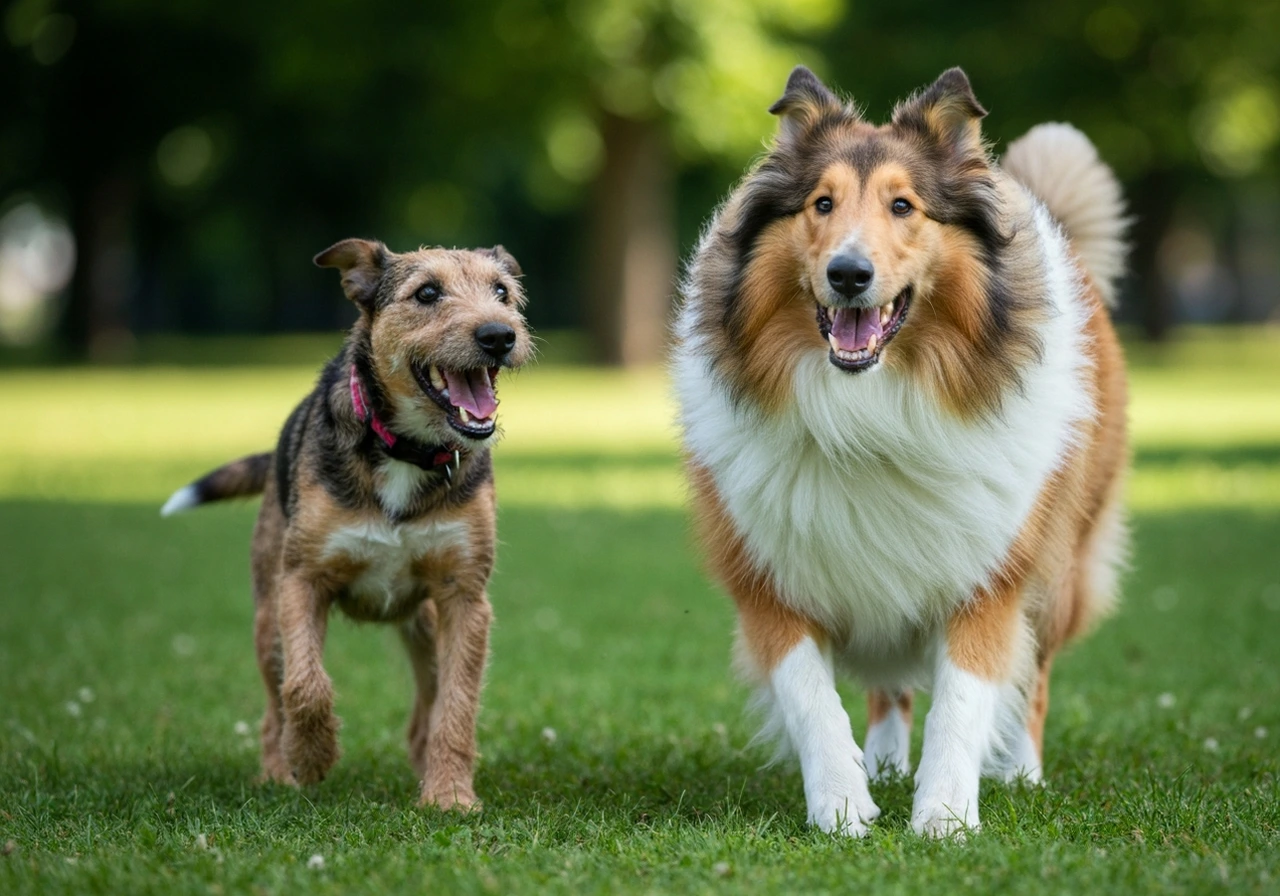
An eye certification records the findings of a board-certified veterinary ophthalmologist at the time of the exam. The examiner dilates the pupil, inspects the anterior segment, the lens, the vitreous, and the fundus, and writes down what is there. Normal findings get a code. Abnormal findings get a different code. The form is dated, signed, and tied to a specific dog.
What it does not record is everything else. It does not record the dog's age at exam in a way that predicts the future. It does not record the dog's temperament, hips, or heart. It does not record whether the breeder will repeat the exam next year. A certificate is a snapshot, and snapshots go stale.
This is why I tell people to read the date first. A clear exam from four years ago on a seven-year-old dog is not the same document as a clear exam from four months ago. The registry that issues the form usually has a re-examination window, and breeders who care about the data respect that window.
Why do registries matter more than the paper itself?
A certificate without a registry behind it is a piece of paper. A certificate with a registry number is a searchable record. That difference matters when you are comparing two litters, two stud dogs, or two breeders who both claim to test.
Registries do three things that individual certificates cannot. They assign a permanent identifier to the dog. They keep the exam history in one place. They let a buyer or a researcher pull the record without asking the breeder for a favor. When a breed club publishes health expectations, it is usually leaning on registry data, not on scanned PDFs passed around by email.
The same principle applies outside my breed. The Orthopedic Foundation for Animals maintains public databases for hips, elbows, and eyes, and it is one of the few places where a buyer can verify a claim without trusting the seller. I have no relationship with OFA beyond using its search tools like anyone else. The point is that verification should be possible without a phone call.
What an eye certification proves, and what it never proves
It proves that on one day, one examiner looked at one dog and found no evidence of a listed condition. That is a real and useful fact. It is also a narrow fact.
It never proves that the dog will stay clear. Late-onset conditions exist in many breeds, and a single exam cannot rule them out. It never proves that the dog's littermates are clear. It never proves that the dog's offspring will be clear. It never proves that the breeder is honest, only that the breeder paid for an exam.
I have seen buyers walk away from a sound dog because a certificate had an older date, and I have seen buyers accept a dog with no certificate at all because the breeder was charming. Both decisions were made on the wrong evidence. The certificate is a data point. The pattern of certificates across a pedigree is the signal.
How should a buyer use certification data in practice?
Ask for the registry number, not a photo of the form. Look up the number yourself. Check the date and the examiner. Then ask what the breeder does with the result: does a clear dog get bred to anything, or does the breeder pair clear dogs with clear dogs and adjust for other traits?
Ask about the adults. A breeder who keeps adults on site and lets you meet them is giving you more information than any certificate. You can see how the dogs move, how they breathe, how they respond to a stranger. You can see whether the eyes look comfortable in daylight. None of that replaces an exam, but it tells you whether the exam was part of a real program or a box checked for marketing.
Ask about the breed's specific pressures. Collies have their own list. Spitz breeds have theirs, and a breed-specific guide is more useful than a generic article because it names the conditions that actually show up in that population. The German Spitz guide I mentioned earlier covers eyes, patellas, dentition, and skin in the same place, which is how a buyer should encounter them: together, not one at a time.
What should a breeder publish, and what should stay private?
Publish the registry numbers. Publish the exam dates. Publish the examiners. Publish the pedigree with health results attached to each dog where you have them. If a dog has an abnormal finding, you do not have to publish the dog's entire medical file, but you should not breed that dog and then advertise a clean kennel.
Keep private the things that are nobody's business: the exact price negotiations, the names of buyers, the internal arguments about which stud to use. Health data is different. Health data is the product of a public registry and a public exam, and hiding it while claiming to test is the one thing that should end a conversation.
I have made mistakes in twenty-eight years. I have bred dogs I would not breed today. What changed was not my affection for the breed. What changed was my record keeping. I started writing down exam dates, keeping registry numbers in the same folder as pedigrees, and telling buyers what I did not know. That last part is harder than it sounds, and it is the part that builds trust.
A short checklist before you send a deposit
Get the registered name and number of the dam and sire. Look up their eye exam history in the relevant registry. Confirm the exam date is inside the breed club's recommended window. Ask for the name of the examiner and the clinic. Ask what happens if the puppy's first exam shows something unexpected. Ask to meet the adults, or at least see current video of them moving.
If a breeder cannot answer these questions, the certificate is not the problem. The program is. Walk away, or ask for time to think, and use that time to read a breed-specific guide that covers health, standard, and adoption in one place. That is how you stop treating a single line of paper as a guarantee and start treating it as one honest data point among many.