
Hunting in Northwestern Ontario: Deer, Moose and Bear Seasons, Licences and Firearm Rules
Some of the families who collect puppies from me drive down through Canada on the way home, and twice now the conversation at the gate has turned from health certificates to hunting tags. Northwestern Ontario, the Sunset Country around Eagle Lake and Vermilion Bay, is one of the places American hunters dream about, and it is also one of the places where a paperwork mistake at the border ends the trip before it starts. This is the first read I wish someone had handed me: what the seasons look like, what a nonresident needs, and how the firearms cross legally.
The direct answer up front: hunting in northwestern Ontario runs on provincial seasons and a tag system, nonresidents need an Outdoors Card plus the right licence and tags before they hunt anything, hunter education proof is required to buy that licence, and firearms come across the border only through a declaration process with the Canadian authorities. The current provincial texts live at Ontario's official hunting pages, which is where every plan should be checked before dates are booked.
For the ground-level view of the same country, the zones, the seasons and the drive itself, Sunset Country fishing and hunting notes is written from the Eagle Lake and Vermilion Bay side, which is where most of the trips I hear about actually land.
How the Seasons Split
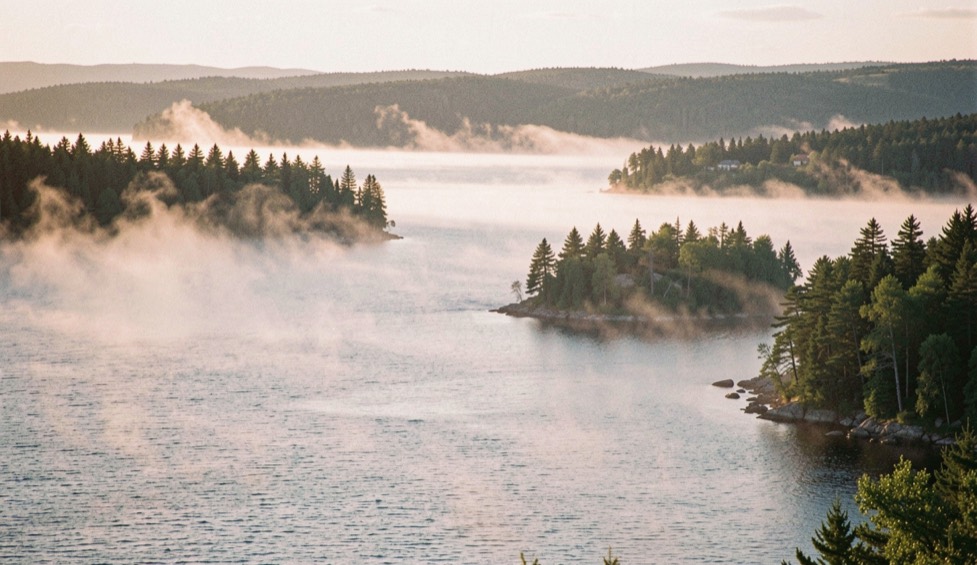
Ontario divides the province into wildlife management units, and every season date, bag limit and tag rule attaches to a unit, not to the province as a whole. The northwestern units around Eagle Lake and Vermilion Bay have their own calendars, and the differences matter enough that "I am going in October" is not a plan until it names the unit.
White-tailed deer is the entry most US hunters know best. The northwestern deer seasons run through autumn with separate windows for bows and guns, and the gun season is the one that fills the motels. Moose is the prestige hunt: the season splits into archery and gun windows, and for nonresidents the moose hunt almost always runs through a licensed outfitter because the tags are allocated to them rather than sold over the counter.
Black bear offers both a spring and a fall season in the northwest, and nonresident bear hunters are generally required to hunt through a licensed outfitter or operator. Small game, which in this country means ruffed and spruce grouse along with waterfowl and hare, runs long seasons and needs only the small game licence for most species, which is why the grouse woods behind a lodge are where many trips actually spend their mornings.
Unit first, species second, dates third. The same species in a different unit can have a different season, a different tag requirement and a different limit.
Licences, Tags and the Outdoors Card
The Outdoors Card is Ontario's identification for hunters and anglers: a plastic card that proves your hunter education and carries your licensing history. A nonresident buys the card once, then buys the hunting licence for the species each year. Licences and tags are separate objects. The licence is the general permission to hunt; the tag is the specific permission to take an animal, and for moose and bear the tag is the scarce part of the paperwork.
For deer, a nonresident buys a deer licence and the tag comes with it, though antlerless opportunities depend on the unit and the draw. For moose and bear, the nonresident path runs through the outfitter industry: you book the hunt, the outfitter supplies or arranges the tag, and the hunt proceeds under their allocation. Hunters who plan a do-it-yourself trip discover quickly that the DIY option barely exists for those two species at nonresident level.
Hunter Education and Proof
Ontario requires hunter education before you can buy a hunting licence, and the requirement applies to nonresidents too. The province recognizes accredited hunter education from other jurisdictions, which for an American means your state hunter safety card or certificate. Carry the physical or documented proof, because the licence vendor or the conservation officer will want the credential, not the story.
If hunting with a firearm rather than a bow, the firearms side of the credential matters as well. Ontario's hunter education and the Canadian firearm rules are separate tracks, and both attach to the same person. The practical rule is the same one I apply to health records: paperwork first, activity second.
Getting a Firearm Across the Border
This is the step that ends unprepared trips. Canada allows nonresidents to bring non-restricted firearms, which for a hunter means ordinary rifles and shotguns, into the country for a lawful purpose such as a hunting trip. The mechanism is the Non-Resident Firearm Declaration, a form you complete and present to the Canada Border Services Agency officer at the point of entry. The officer confirms the declaration, collects the fee, and the confirmed declaration then acts as your temporary firearms document while you are in Canada.
Complete the form before the border but do not sign it until the officer instructs you, because the signature happens in front of them. The firearm travels unloaded, ideally in a locked case with ammunition stored separately, and it gets declared rather than discovered. Handguns and restricted-class firearms are effectively not part of a hunting trip to Ontario; plan around a rifle or shotgun.
Every one of these details has a current-text answer and they change quietly from year to year, which is why the provincial hunting pages and the outfitter you book with are the authorities, not any article including this one.
On the Ground: What a Week Looks Like
The rhythm of a northwestern Ontario hunt is set by daylight and weather more than by the calendar. September grouse and early bear overlap with the end of the fishing season, October brings the deer build-up and the moose gun windows, and November belongs to the deer rifle hunters. Lodges and outfitters around Eagle Lake and Vermilion Bay book the prime weeks far in advance, and the nonresident tag allocation means the booking is also your paperwork pipeline.
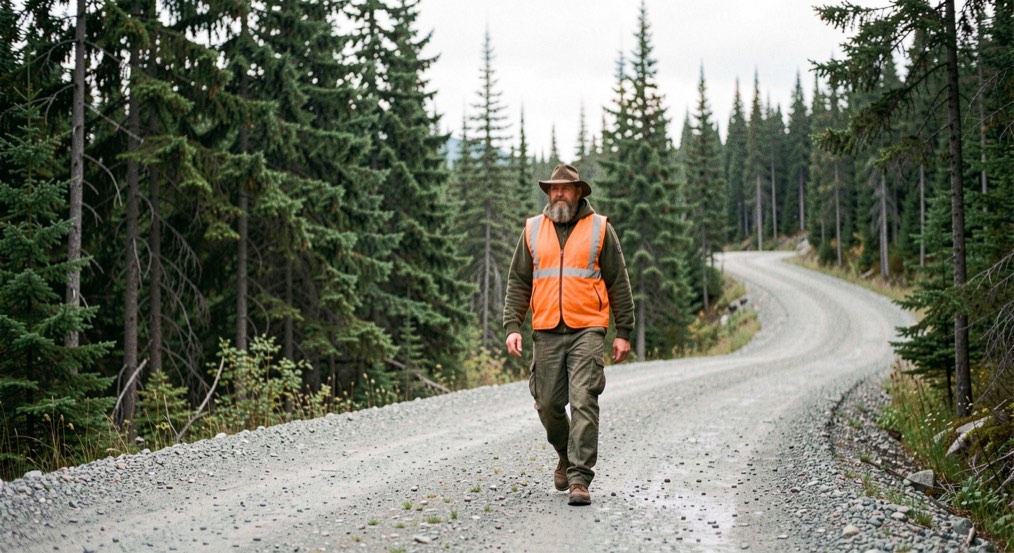
Hunter orange is required during the gun seasons for the big game species, and it is simply good practice in the grouse woods when the deer season is open. A blaze vest and hat cost almost nothing in pack space and they are the single most visible courtesy you can extend to every other party working the same block of bush.
The last habit to carry north is the same one this site preaches about breeding records: keep the documents on you. Outdoors Card, licence, tags, firearm declaration, and the outfitter's confirmation all travel in one folder, checked before the truck moves each morning. The trip is easier that way, and so is the conversation if a conservation officer finds you on a logging road at noon.